- Home
- Tips & Tricks
- How do I stop my cat from scratching furniture?
How do I stop my cat from scratching furniture?
You'll discover easy, clever ways to protect your furniture from feline claws while keeping both your cat and your living room blissfully scratch‑free.

- 7


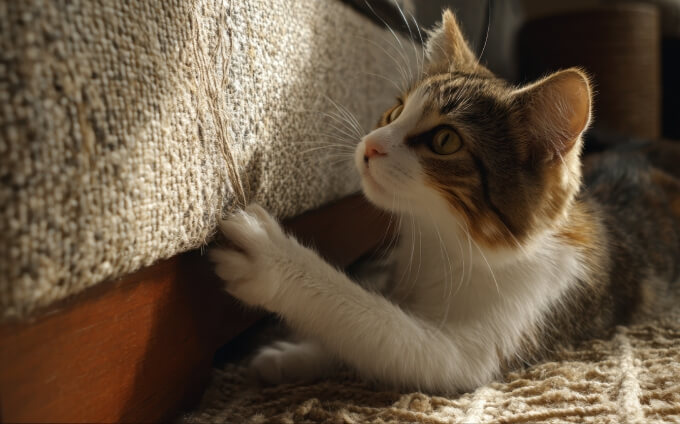
Why on earth is your cat attacking the couch?
You might look at your shredded armchair and wonder: “Is this personal?” In a word, no. Scratching is as natural to cats as air is to humans - it sharpens nails, stretches muscles, and leaves scent clues via their paw glands. Your couch is only collateral damage in their territorial master plan.
Recent insights highlight stress as a major driver of destructive scratching. Factors like high energy, overstimulation, or lack of safe hiding spots can ramp up the behavior.
The Emotional Claw Factor
- Stress, overstimulation, or unmet needs often fuel excessive scratching. Creating calmer play sessions and giving your cat safe vantage points can turn the tide.
Step 1: Give them a cooler scratching target (not your furniture)
Okay, cats need to scratch. Let's turn that into something that doesn't make you cringe. Offer them posts and boards with textures they adore - think sisal rope, corrugated cardboard, carpet backing, or even natural wood. Some cats want to go vertical, others horizontal. Variety is key.
Here's how to up the “cool factor”
- Place scratchers where your cat already scratches, like next to the couch.
- Use enticing scents - catnip spray or silvervine work wonders for motivation.
- Make them sturdy and tall enough for that glorious full-body stretch.
Step 2: Make your furniture decidedly uncool for scratching

Repel the claws without harming the kitty. It's about creating friction - or sensation - that they don't like.
Get creative (and practical)
- Line couches with double-sided sticky tape or aluminum foil - fun for you, annoying for your cat.
- Use citrus- or rosemary-based sprays. Many cats find those scents unpleasant.
- Try motion-detector sprays or hissing-noise devices to interrupt the behavior, then redirect toward a scratcher.
- Cover the attacked area temporarily with furniture protectors - like vinyl shields or slipcovers - or even throw blankets. Bonus: they can be stylish, washable, and snug.
Step 3: Smooth those claws - literally
Nail trimming is your delicate weapon of destruction prevention. A bit of maintenance can save you a ton in couch repairs.
How to make it non-traumatic
- Start early - if possible, with kittens.
- Go slow. Paw massages first, then gentle nail exposure.
- Only trim the clear tip - avoid the quick (that pink part).
- Use sharp, cat-specific clippers.
- Trim every 2–4 weeks or even one nail at a time.
- If trimming your cat is a mutual trauma, ask your vet or groomer for assistance.
Step 4: Be their cheerleader - not their drill sergeant
Training cats is like persuading a coffee addict to switch to herbal tea: trial, plenty of positive reinforcement, and zero scolding.
Keep these tips in mind
- If you catch them scratching the wrong spot, a gentle distracting sound (like a quick “ah!”) works - but follow up immediately with guiding them to the scratcher and praising them there.
- Clicker training can work - get the timing right and let those good behaviors cascade.
- Never punish by yelling, squirting water, or forcing behavior. That just breeds fear, not learning.
Step 5: Protect while you train, so your décor doesn't become a casualty
Since retraining takes time, protect your precious furniture in the interim.
Stylish but cat-proof solutions
- Try corner wrap-around scratchers like Hilde & Phil Cat‑e‑Corner or Oroonoko Couch Protectors - designed to camouflage yet protect.
- Clear vinyl couch covers and sofa shields (like Navaris or similar) keep claw damage at bay.
- Cozy, durable throws or slipcovers offer quick, washable coverage.
Step 6: Banish worst-case options - declawing and punishment
Let's set that idea on fire and sprinkle salt on it: declawing is inhumane, painful, and often banned. It doesn't solve scratching instincts and can cause lasting harm. Same with punishment - this route only sows distrust and stress.
Better alternatives exist, and they're kind.
- Use vinyl nail caps, regularly trimmed nails, engaging scratchers, and behavior training.
- Consider consulting a Certified Applied Animal Behaviorist or veterinary behaviorist if your cat's scratching is excessive or anxiety-driven.
Step 7: Make life fun, comfy, and enriching
Cats scratch for more than sharpening - they need physical activity, mental stimulation, and safe spaces.
Energy outlets you can't go wrong with
- Interactive play sessions (think feather wands or laser pointers) can reduce boredom-related scratching.
- Create elevated perches or install a small 'catio' or window seat so kitty can chill and observe - in peace.
- The more cat-friendly your space, the less you'll need to cat-proof every inch of furniture.
In the end…
It's a journey. Some cats take longer than others to switch up their habits. Be patient, consistent, and generous with praise. Soon enough, your furniture - and your relationship - will be back in one (well, mostly) piece.
Frequently Asked Questions about Stopping Cats from Scratching Furniture
Why does my cat scratch furniture?
Cats scratch to mark territory, stretch their muscles, and keep their claws healthy.
How can I stop my cat from scratching furniture?
Provide scratching posts, use deterrent sprays, and redirect your cat to appropriate surfaces.
Are there safe ways to protect furniture from scratching?
Yes, using furniture covers, double-sided tape, or strategically placed scratching posts can help.
Can trimming my cat's claws reduce furniture damage?
Regularly trimming your cat's claws can reduce the damage but won't eliminate scratching behavior.
Is it okay to punish my cat for scratching?
No, punishment can stress your cat; positive reinforcement for using scratching posts is more effective.
- 7
Sofia
Sofia is a devoted cat owner who lives with her elderly tabby, Milo, a calm 14-year-old house cat she adopted as a senior. Her passion lies in helping people care for cats, focusing on health, comfort, and gentle enrichment. In her spare time, she volunteers at a rescue organization that specializes in rehoming senior cats, giving them a second chance at a loving home. For Sofia, Milo is not only a companion but also a daily reminder of how much wisdom and love older cats bring into our lives.
-
Behavior
 Why Is My Cat Meowing So Much? (And What You Can Do About It)
A deep dive into why your cat might be meowing non-stop, from attention‑seeking and hunger to age, stress, or medical issues - plus clever, friendly fixes.
 AmiraAug 30, 20253
-
Behavior
 Why Do Cats Purr? The Secret Buzz Beneath the Whiskers
A relaxed, witty deep dive into why cats purr - exploring the science, the soothing magic, and how those gentle vibrations tell you more than words ever could.
AmiraAug 07, 20254 -
Kittens & Young Cats
 When Can a Kitten Safely Leave Its Mother?
Timing matters when it comes to separating kittens from their mothers. Here's when it's safe, what risks are involved in early separation, and why patience pays off.
SofiaJul 08, 20254 -
Food & Nutrition
 Can Cats Drink Milk? The Creamy Truth They Don't Tell You
Cats and milk might look cute together, but the reality is far less dairy-friendly. Here's the scoop on whether milk is safe or suitable for your whiskered companion.
SofiaJul 18, 20254 -
Health
 How to Tell if Your Cat Is Sick – Subtle Signs Every Cat Owner Should Know
A casual, informative walkthrough of the sneaky signs cats give when they're unwell, from grooming habits to appetite shifts, plus what steps to take right away.
SofiaAug 19, 20254 -
Behavior
 Why Cats Eat Grass: Curious Feline Behavior Explained
Explore the fun, weird, and surprisingly logical reasons your cat munches on grass, from evolutionary instincts to vitamins, plus tips to keep them safe and satisfied.
AmiraJul 22, 20259