- Home
- Kittens & Young Cats
- When Can a Kitten Safely Leave Its Mother?
When Can a Kitten Safely Leave Its Mother?
Timing matters when it comes to separating kittens from their mothers. Here's when it's safe, what risks are involved in early separation, and why patience pays off.

- 4


The Magical Week 8? Not So Fast.
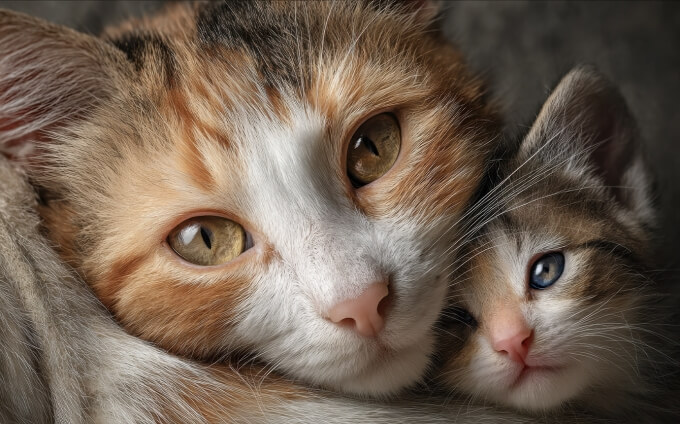
There's a bit of a myth floating around that kittens are ready to leave their moms at exactly eight weeks old. Sure, they may be running, climbing, and giving you those irresistible 'take me home' eyes by then - but biologically and behaviorally? They're still babies. Most experts, including veterinarians and shelters, agree that kittens should ideally stay with their mother and siblings until at least 12 weeks old.
Think of it like preschool: just because a toddler can walk doesn't mean they're ready to skip kindergarten. Those extra weeks are critical for emotional development, immune system strength, and social behavior.
Why 12 Weeks Is the Sweet Spot
So why exactly 12 weeks? It's not just about tradition - it's about science and development. Between weeks 8 and 12, kittens go through major changes, both physically and mentally. Their immune systems are still developing, their social skills are in turbo mode, and they're learning crucial boundaries from their mom and littermates.
Here's what happens between 8-12 weeks:
- They learn bite inhibition by roughhousing with siblings
- Their mom teaches them how to groom and use the litter box
- They become more emotionally resilient and less prone to anxiety later
- They finish weaning and eat solid food comfortably
Removing a kitten too early can lead to behavior problems like biting, excessive fear, poor litter habits, and even health issues due to a weaker immune system.
What Happens If You Take a Kitten Too Early?
Let's say someone gives you a kitten at six weeks old, and you're thinking, “It's so small but seems okay.” Trust us - it's not okay. Early separation can cause a host of issues that show up later, long after the Instagram-worthy cuddles have faded.
Here's what you might be in for:
- Underdeveloped social skills and difficulty getting along with other pets
- Separation anxiety and excessive crying
- Improper weaning leading to digestion issues
- Obsessive kneading or suckling behavior
- Higher vet bills due to weaker immunity
Basically, early separation can turn your cute fluffball into a neurotic mess - and no one wants that. Not you, not the kitten, and definitely not your furniture.
Rescue Situations: When You Have No Choice
Life doesn't always go according to plan. Sometimes, mama cat disappears, rejects her babies, or - heartbreakingly - doesn't survive. In those emergency cases, yes, kittens may have to be raised by humans earlier than ideal. But that comes with responsibility. A lot of it.
If you find or receive a kitten under 8 weeks old, you're basically becoming their surrogate mom. That means bottle feeding every few hours, helping them urinate and poop, keeping them warm, and eventually teaching them to eat and groom. It's adorable and exhausting. Think newborn baby level - but fuzzier.
How to Tell If a Kitten Is Ready to Leave Mom
Not sure how old a kitten is or if they're ready to leave their mom? Here's a quick kitten-readiness checklist. If they check all these boxes, you're probably good to go.
- At least 12 weeks old
- Weighs at least 2.5 pounds (1.1 kg)
- Eating solid food without encouragement
- Litter box trained
- Active, playful, and curious
- No visible health issues (crusty eyes, sneezing, diarrhea)
If a kitten isn't meeting these benchmarks, they're not ready - even if they look big for their age or seem eager to explore. Trust the milestones more than the meows.
The Sibling Factor: Don't Underestimate It
Here's something most people forget: sibling playtime is kitten bootcamp. Wrestling, chasing tails, and stealing toys from littermates teaches kittens critical social cues and boundaries. Ever met a cat that bites too hard or doesn't get along with others? Odds are they left their siblings too soon.
Even if a kitten's mom isn't around, being with siblings until 10-12 weeks provides that necessary interaction that humans simply can't replicate - no matter how many toys or cuddles you provide.
What About Breeders or Shelters?
Responsible breeders and shelters typically won't release kittens until they're 12 to 14 weeks old. If someone tries to give or sell you a kitten at six or seven weeks, that's a red flag. It usually means they're prioritizing profit or convenience over the kitten's well-being.
Ask questions. Get details. A good breeder or shelter will be transparent about the kitten's age, vaccination records, diet, and socialization. If they dodge those questions, walk away. Or better yet - run.
Frequently Asked Questions about When a Kitten Can Leave Its Mother
At what age can a kitten safely leave its mother?
Kittens can typically leave their mother safely at 12 weeks old, once they are weaned and socialized.
Why shouldn't a kitten leave its mother too early?
Leaving too early can affect their social, emotional, and physical development, including proper weaning and litter behavior.
What signs show a kitten is ready to leave its mother?
The kitten should be eating solid food, using the litter box, and showing independent behavior.
Can separating a kitten from its mother too late cause problems?
Staying too long with the mother is usually not harmful, but early independence helps the kitten adjust to a new home.
How should I prepare a kitten to leave its mother?
Gradually introduce solid food, socialization with humans, and a safe environment to help the transition.
Bottom Line: Be Patient. Be Smart. Be Kind.
We get it - you want to bring home your new tiny purring roommate ASAP. But waiting a few extra weeks can mean the difference between a healthy, well-adjusted kitten and one that struggles for life. You're not just adopting a cat - you're shaping a future companion. That's a big deal.
So resist the urge to fast-track the process. Instead, spend the extra time kitten-proofing your home, stocking up on supplies, and binge-watching cat videos. Because when your kitten finally arrives - tail up, whiskers twitching, and eyes full of mischief - you'll know it was worth every second.
- 4
Sofia
Sofia is a devoted cat owner who lives with her elderly tabby, Milo, a calm 14-year-old house cat she adopted as a senior. Her passion lies in helping people care for cats, focusing on health, comfort, and gentle enrichment. In her spare time, she volunteers at a rescue organization that specializes in rehoming senior cats, giving them a second chance at a loving home. For Sofia, Milo is not only a companion but also a daily reminder of how much wisdom and love older cats bring into our lives.
-
Behavior
 Why Do Cats Purr? The Secret Buzz Beneath the Whiskers
A relaxed, witty deep dive into why cats purr - exploring the science, the soothing magic, and how those gentle vibrations tell you more than words ever could.
 AmiraAug 07, 20254
-
Food & Nutrition
 Can Cats Drink Milk? The Creamy Truth They Don't Tell You
Cats and milk might look cute together, but the reality is far less dairy-friendly. Here's the scoop on whether milk is safe or suitable for your whiskered companion.
SofiaJul 18, 20254 -
Tips & Tricks
 How do I stop my cat from scratching furniture?
You'll discover easy, clever ways to protect your furniture from feline claws while keeping both your cat and your living room blissfully scratch‑free.
SofiaJul 03, 20257 -
Behavior
 Why Is My Cat Meowing So Much? (And What You Can Do About It)
A deep dive into why your cat might be meowing non-stop, from attention‑seeking and hunger to age, stress, or medical issues - plus clever, friendly fixes.
AmiraAug 30, 20253 -
Health
 How to Tell if Your Cat Is Sick – Subtle Signs Every Cat Owner Should Know
A casual, informative walkthrough of the sneaky signs cats give when they're unwell, from grooming habits to appetite shifts, plus what steps to take right away.
SofiaAug 19, 20254 -
Behavior
 Why Cats Eat Grass: Curious Feline Behavior Explained
Explore the fun, weird, and surprisingly logical reasons your cat munches on grass, from evolutionary instincts to vitamins, plus tips to keep them safe and satisfied.
AmiraJul 22, 20259