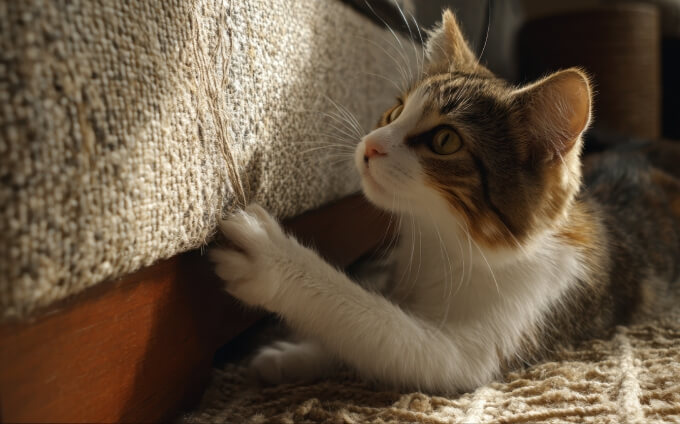
How to Tell if Your Cat Is Sick – Subtle Signs Every Cat Owner Should Know
A casual, informative walkthrough of the sneaky signs cats give when they're unwell, from grooming habits to appetite shifts, plus what steps to take right away.

- 4


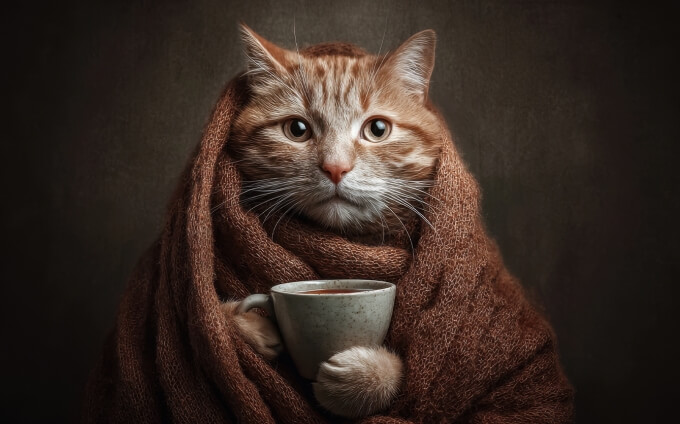
When Your Cat Isn't Acting Like In Their Best Self
Alright, let's get real - cats are masters of hiding any hint of being ill. They're more Houdini than hypochondriac. But that doesn't mean they're immune to saying "Hey, I'm not okay" - you just have to pay attention to the subtle unsaid cues.
What to watch for
- Changes in appearance and posture - think hunched stance, head tilted oddly, tail carried strangely, or a coat that's suddenly greasy or matted.
- Dehydration - gently pinch some skin near the shoulder; if it stays “tented,” your cat's probably not well.
- Weight fluctuations - especially loss that you feel along the ribs or spine when you pet them.
Sleepy or Suddenly Hyper‑Clingy? That's a Clue
If your usually playful purring machine turns into a napping ninja - or, conversely, becomes clingier or grumpier than usual - that's a red flag. Lethargy, restlessness, and changes in sociability all point toward something being off.
Energy & Mood Swings
- Sleeping more or less, or acting more withdrawn or cranky than their norm.
- Craving more attention - or avoiding you like the vet's cone of shame.
Belly and Bathroom Changes Aren't Just a TMI Moment
If your cat is suddenly peeing or pooping outside the litter box, drinking like they're auditioning for a fish commercial, or dealing with vomiting or diarrhea, it's time to sit up and take notice.
Digestive & Urinary Signals
- Vomiting - even once could be nothing, but repeated bouts or presence of blood or bile means vet time .
- Diarrhea that won't quit or persists more than a couple of days - especially with lethargy.
- Frequent urination, straining, blood in the litter box, or not going at all - those can point to urinary tract diseases or even life-threatening blockages.
The Grooming (Or Lack Thereof) Chronicles
Cats love grooming - it's their zen moment. If that barber routine stops or goes into overdrive (look: bald patches, dandruff, greasy fur), pay attention. It could mean pain, allergy, stress, or external parasites.
Coat and Skin Messages
- Messy or greasy fur, dandruff, or sudden increase in shedding.
- Scaly skin, hair loss, red patches, crusty rash, or questions involving flea allergies or dermatitis.
- Overgrooming in certain areas - especially if you spot scabs or fur loss.
Breathing, Sniffles & Mysterious Smells
If your cat starts coughing, wheezing, or produces eye or nose discharge, it might be a cold - or something more serious like asthma or an infection. And if your once pristinely groomed cat starts to smell... well, that's not just mood - it's likely something deeper.
Respiratory & Odor Clues
- Sneezing, nasal or eye discharge, and mouth ulcers - these could mean “cat flu” or upper respiratory infection.
- Persistent coughing, wheezing, blue gums, or open-mouth breathing - possible feline asthma that needs management.
- Unusual odors - especially from their rear or mouth - could indicate dental disease, infections, or anal gland issues.
Other Great Big Red Flags
Okay, buckle up - some signs are more subtle but just as serious:
- Urinating more or less than normal, or making frantic trips to the litter box - could indicate FLUTD or urinary blockages.
- Drinking more than usual - maybe raiding water fountains or the bathtub - that might point to diabetes or kidney issues.
- Sudden weight gain - just as worrying as loss; could lead to diabetes or mobility problems.
- Excessive vocalizing - could signal pain or distress.
- Bad breath - beyond “fish stank” - could mean dental disease or underlying illness.
- Changes in breathing - like panting, rapid or labored breathing - are always a cue to act.
- Unexplained hiding or “just not themselves” - could even be a sign of serious conditions like arthritis.
What You Can Do At Home - And When to Call the Vet
Now that you're tuned into the body language your cat is throwing your way, here's what to do next:
At‑Home Checks and Care
- Check hydration with that skin tent test.
- Monitor food, water, litter box use and behavior changes - keep a little ‘logbook' for the vet.
- If vomiting or diarrhea starts, withhold food for 12 hours (but keep water available), then reintroduce bland food (like boiled chicken or white fish) gradually.
- If they have nasal or eye discharge, gently wipe with cooled salted water (safe mix).
- Keep sick kitties warm, quiet, and comfortable - heat pads should be well-padded and checked often.
When It's Time to Ring the Vet
- Any vomiting or diarrhea lasting more than a day (or sooner if your cat is young, senior, or fragile).
- Blood in vomit, stool, or trouble keeping water down.
- Respiratory distress, open-mouth breathing, or blue gums - emergency territory.
- Signs of urinary blockage - like straining, frequent trips without producing urine - or a distended, painful bladder.
- Extreme lethargy, collapse, or sudden strange behavior.
- Persistent bad odor, ear ooze, or skin lesions that won't quit.
Why Your Cat “Says” Sick Subtly - And You Should Take It Seriously
Behind those slow blinks and seemingly random naps, there's a survival instinct at play - cats evolved to hide weakness. That's why early detection matters. Often, by the time a sign is obvious, the issue has progressed.
Subtle Signs, Big Reasons
- Weight changes could mean metabolic disorders like hyperthyroidism or diabetes.
- Frequent drinking or urination also raise red flags for kidney or hormonal disease.
- Respiratory symptoms might be simple colds, asthma, or eye ulcers - but always better to catch early.
- Skin and grooming changes often mean discomfort, allergies, or parasitic issues.
Frequently Asked Questions about Subtle Signs Your Cat Might Be Sick
How can I tell if my cat is subtly sick?
Look for changes in appetite, grooming habits, litter box use, energy levels, or behavior - even small shifts can indicate illness.
What are subtle signs of cat illness I should watch for?
Watch for decreased grooming, hiding more than usual, slight weight loss, mild changes in urination or litter box habits, and lethargy.
When should I take my cat to the vet for subtle symptoms?
If minor changes persist for more than a day or two, especially with appetite loss, lethargy, or litter box changes, veterinary advice is wise.
Can my cat being quieter than usual mean it's sick?
Yes - reduced vocalization or increased hiding can be early signs of underlying health issues.
Are digestive changes in my cat always serious?
Occasional mild digestion changes may not be urgent, but ongoing or worsening issues warrant a vet check.
Takeaway: Trust Your Gut - and Your Cat
So here's your takeaway, from one cat whisperer to another: if something seems off - even just a smidge - start paying attention. Your cat might not hand you a neon "Help me" sign, but they will whisper it in their behavior. The sooner you listen, the sweeter and longer your purring buddy will stay by your side.
- 4
Sofia
Sofia is a devoted cat owner who lives with her elderly tabby, Milo, a calm 14-year-old house cat she adopted as a senior. Her passion lies in helping people care for cats, focusing on health, comfort, and gentle enrichment. In her spare time, she volunteers at a rescue organization that specializes in rehoming senior cats, giving them a second chance at a loving home. For Sofia, Milo is not only a companion but also a daily reminder of how much wisdom and love older cats bring into our lives.
-
Kittens & Young Cats
 When Can a Kitten Safely Leave Its Mother?
Timing matters when it comes to separating kittens from their mothers. Here's when it's safe, what risks are involved in early separation, and why patience pays off.
SofiaJul 08, 20254 -
Behavior
 Why Do Cats Purr? The Secret Buzz Beneath the Whiskers
A relaxed, witty deep dive into why cats purr - exploring the science, the soothing magic, and how those gentle vibrations tell you more than words ever could.
 AmiraAug 07, 20254
-
Behavior
 Why Is My Cat Meowing So Much? (And What You Can Do About It)
A deep dive into why your cat might be meowing non-stop, from attention‑seeking and hunger to age, stress, or medical issues - plus clever, friendly fixes.
AmiraAug 30, 20253 -
Food & Nutrition
 Can Cats Drink Milk? The Creamy Truth They Don't Tell You
Cats and milk might look cute together, but the reality is far less dairy-friendly. Here's the scoop on whether milk is safe or suitable for your whiskered companion.
SofiaJul 18, 20254 -
Tips & Tricks
 How do I stop my cat from scratching furniture?
You'll discover easy, clever ways to protect your furniture from feline claws while keeping both your cat and your living room blissfully scratch‑free.
SofiaJul 03, 20257 -
Behavior
 Why Cats Eat Grass: Curious Feline Behavior Explained
Explore the fun, weird, and surprisingly logical reasons your cat munches on grass, from evolutionary instincts to vitamins, plus tips to keep them safe and satisfied.
AmiraJul 22, 20259