- Home
- Food & Nutrition
- Can Cats Drink Milk? The Creamy Truth They Don't Tell You
Can Cats Drink Milk? The Creamy Truth They Don't Tell You
Cats and milk might look cute together, but the reality is far less dairy-friendly. Here's the scoop on whether milk is safe or suitable for your whiskered companion.

- 4


Forget What Cartoons Taught You
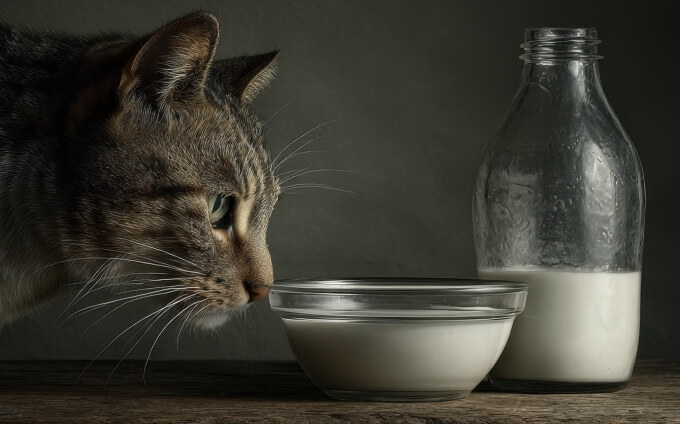
Tom lapping up a bowl of milk after chasing Jerry might be iconic, but it's also wildly misleading. The idea that cats and milk are a match made in feline heaven is pure fiction. The reality? Most adult cats are lactose intolerant. Yep, the creamy stuff can cause your fluffball some serious tummy trouble.
But why the myth?
- Old farming traditions: Cats were often barn animals and given leftover milk.
- Pop culture reinforcement: From books to cartoons, milk was depicted as the ultimate cat treat.
- Cuteness factor: A kitten sipping milk is pure serotonin - unfortunately, it's also poor science.
The Science Behind Feline Digestion
When kittens are born, their bodies produce an enzyme called lactase, which helps digest lactose - the sugar found in milk. But here's the kicker: as they grow, their production of lactase drops off dramatically. So, while a kitten can handle milk in the early weeks (from their mother, not a cow), most adult cats can't properly process lactose. The result? Gastrointestinal chaos.
Think gas, bloating, cramping, and runny poop - all the things you definitely don't want happening in your favorite corner of the couch.
So... Is Milk Ever Okay?
Alright, let's be real. Is milk *always* a bad idea? Not exactly. Some cats can tolerate small amounts of dairy without symptoms. But it's a gamble - kind of like eating gas station sushi. If your cat insists on licking your cereal bowl or demands a taste when you're pouring a latte, you could offer a teaspoon or two and monitor how they react.
When milk *might* be okay
- Your cat doesn't show signs of lactose intolerance (diarrhea, vomiting, or discomfort)
- You're giving very small amounts, very occasionally
- You use lactose-free milk alternatives specifically made for cats
Kitten Nutrition: No, Cow Milk Isn't a Substitute

If you've got a kitten on your hands and you think giving it cow's milk is a shortcut to nurturing greatness, hit the brakes. Cow's milk lacks the essential nutrients that kittens need for healthy development, and it's way too high in lactose. Instead, go for kitten formula like KMR (Kitten Milk Replacer), which is specially designed to mimic mama cat's milk without the lactose overload.
Pro tip: Feeding cow's milk to kittens can lead to dehydration and diarrhea, which can be fatal at that young age. Please don't be that person.
Dairy Alternatives: Yay or Nay?
So you're wondering if almond milk, oat milk, or goat milk are better choices. Here's the rundown, because your cat deserves a well-informed sommelier of milk alternatives.
Let's break it down:
- Almond Milk:Technically safe in tiny doses, but offers zero nutritional value for cats and often contains additives and sweeteners that aren't ideal.
- Oat Milk:Slightly more cat-friendly but again, not necessary or particularly nutritious.
- Goat Milk:Lower in lactose, so it's sometimes better tolerated. Still, it's best in moderation and not a staple.
- Lactose-Free Cat Milk:The VIP of the milk world. These are specifically formulated for cats and can be given as an occasional treat.
Signs Your Cat Should Ditch the Dairy
If your feline friend has managed to sneak a creamy treat, keep an eye out for the following symptoms. These are red flags that milk is not their jam:
- Diarrhea or loose stool
- Vomiting
- Excessive gas or bloating
- Lethargy or hiding behavior
- Refusing food or water after consumption
If any of these symptoms show up, cut the dairy immediately and offer plenty of water. And maybe prepare for a thorough couch-cleaning session.
Better Treats That Won't Wage War On Their Stomach
If you're looking to spoil your cat without the digestive drama, there are way better options. Treats don't have to be creamy to be dreamy.
- Freeze-dried chicken or salmon bites
- Cooked, unseasoned poultry or fish
- Commercial cat treats with limited ingredients
- Catnip or cat grass (yes, some cats go wild for a salad!)
Basically, stick to treats designed for feline bellies unless you enjoy the suspense of a late-night vet visit.
Frequently Asked Questions about Cats and Milk
Can adult cats drink cow's milk?
Most adult cats are lactose intolerant and cannot properly digest cow's milk, which may lead to gastrointestinal upset such as vomiting, diarrhea, and gas. A small treat occasionally may not harm some cats, but regular consumption is not recommended.
Why are cats attracted to milk even though it upsets them?
Cats are often drawn to milk because of its fat and protein content, which has a strong aroma and taste that appeals to their senses - even if it doesn't agree with their digestion.
Can kittens drink milk?
Kittens can digest their mother's milk because they have lactase, but they lose this ability as they age - typically by 6–8 weeks. Cow's milk is not suitable; kitten milk replacers designed for feline needs should be used instead.
Are milk alternatives like almond or soy milk safe for cats?
Plant-based milks and lactose-free dairy substitutes can still cause digestive issues, contain harmful additives or be high in fat and calories; they should be avoided or given only in very small, infrequent amounts.
What is the best drink for cats?
Clean, fresh water is the best and healthiest choice to keep cats hydrated and support their overall health.
The Final Verdict: Keep It Moo-ving
Let's wrap it up with some straight talk. Cats don't need milk. It's not a cute indulgence - it's an outdated myth. If your cat tolerates it, sure, the occasional lick won't kill them. But for the majority of feline companions, milk leads to discomfort, messes, and unnecessary risks.
If you're itching to give your cat something ‘special', there are far safer and tastier options out there. Leave the milk to the cereal bowl and let your cat stick to what they were made to eat.
- 4
Sofia
Sofia is a devoted cat owner who lives with her elderly tabby, Milo, a calm 14-year-old house cat she adopted as a senior. Her passion lies in helping people care for cats, focusing on health, comfort, and gentle enrichment. In her spare time, she volunteers at a rescue organization that specializes in rehoming senior cats, giving them a second chance at a loving home. For Sofia, Milo is not only a companion but also a daily reminder of how much wisdom and love older cats bring into our lives.
-
Kittens & Young Cats
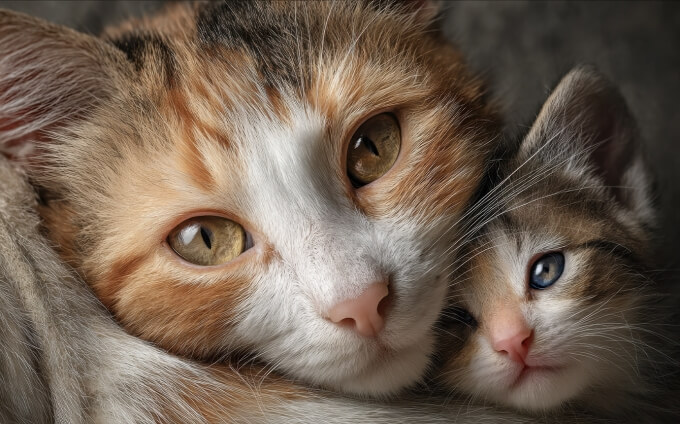
 When Can a Kitten Safely Leave Its Mother?
Timing matters when it comes to separating kittens from their mothers. Here's when it's safe, what risks are involved in early separation, and why patience pays off.
SofiaJul 08, 20254 -
Tips & Tricks
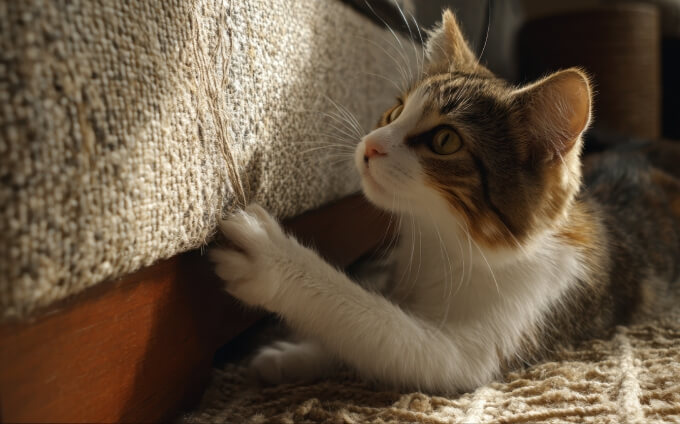
 How do I stop my cat from scratching furniture?
You'll discover easy, clever ways to protect your furniture from feline claws while keeping both your cat and your living room blissfully scratch‑free.
SofiaJul 03, 20257 -
Behavior
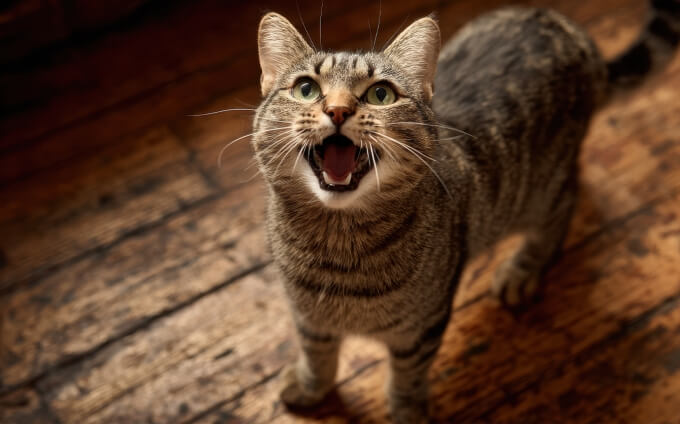
 Why Is My Cat Meowing So Much? (And What You Can Do About It)
A deep dive into why your cat might be meowing non-stop, from attention‑seeking and hunger to age, stress, or medical issues - plus clever, friendly fixes.
 AmiraAug 30, 20253
-
Behavior
 Why Do Cats Purr? The Secret Buzz Beneath the Whiskers
A relaxed, witty deep dive into why cats purr - exploring the science, the soothing magic, and how those gentle vibrations tell you more than words ever could.
AmiraAug 07, 20254 -
Health
 How to Tell if Your Cat Is Sick – Subtle Signs Every Cat Owner Should Know
A casual, informative walkthrough of the sneaky signs cats give when they're unwell, from grooming habits to appetite shifts, plus what steps to take right away.
SofiaAug 19, 20254 -
Behavior
 Why Cats Eat Grass: Curious Feline Behavior Explained
Explore the fun, weird, and surprisingly logical reasons your cat munches on grass, from evolutionary instincts to vitamins, plus tips to keep them safe and satisfied.
AmiraJul 22, 20259