Why Do Cats Purr? The Secret Buzz Beneath the Whiskers
A relaxed, witty deep dive into why cats purr - exploring the science, the soothing magic, and how those gentle vibrations tell you more than words ever could.

- 4


Meet the Purr: More Than Just a Happy Vibe
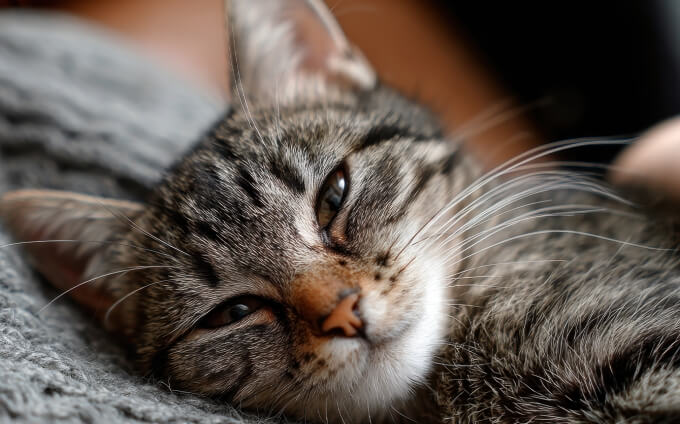
You know that soft, vibrating hum your cat gifts you when lounging across your laptop or demanding chin scratches? That's the purr - a unique vocal flourish that isn't just about joy. If you've ever wondered what's behind that mellow rumble, buckle up: you're about to explore purring's deeper secrets.
Not Always ‘Happy Cat'
- Yes, cats purr when they're delighted - on laps, while eating, or during make‑you‑melt moments of affection.
- But - and here's the plot twist - cats also purr when they're stressed, anxious, sick, or even preparing for labor.
Think of purring as their multi‑tool: a device for comfort, communication, and yes, even self‑healing.
The Why Behind the Purr
So what are these mysterious motivations? Turns out, cats are purring for at least five clever reasons, and often more than one at a time.
1. Contentment (But It's Not the Whole Story)
When your cat purrs while curled up next to you, they may be signaling, “This is good. Keep doing that.” It's their equivalent of a happy buzz.
2. Communication - Especially to You
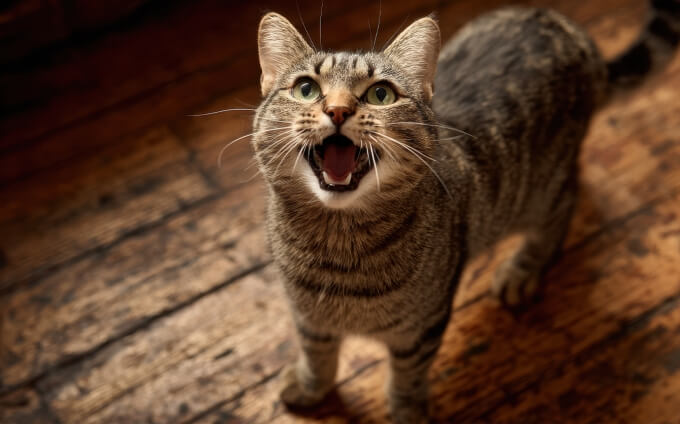
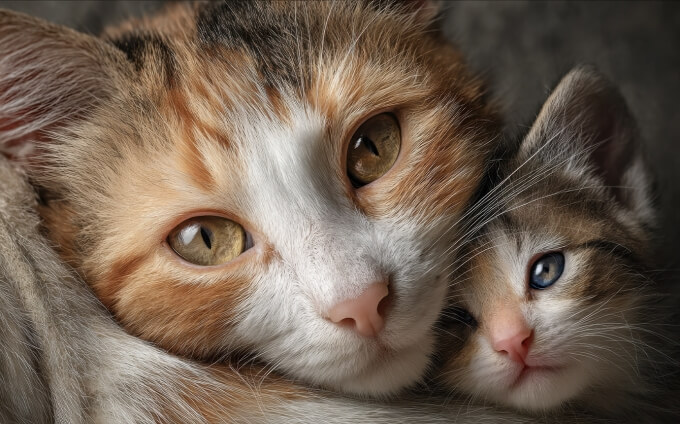
From kittenhood, purring is a reassurance signal - mama cat and babies connecting in soft vibration territory. Adult cats carry on that legacy. And it turns out some purrs are special: 'solicitation purrs' - a higher‑frequency, urgent kind - work like feline wi‑fi to say, “Hey human: I want food now, thanks.” Subtle manipulation? Maybe. Effective? Absolutely.
3. Self‑Soothing in Stress or Pain
Surprise: cats don't only purr when they feel fantastic. They purr at the vet, while anxious, during labor, or even when they're injured. It's their go-to method to calm themselves. That rumble - along with familiar human scent or gentle petting - helps reset their internal vibes.
4. Healing Powers? Pretty Much.
Here's where it gets science-y: that 20–30 Hz vibration is the golden frequency for bone and tissue regeneration. Cats may naturally tap into that to reduce pain, accelerate healing, relieve inflammation, and soothe muscular tension. In short: they purr themselves into better health.
5. Social Bonding
Whether with mom, brothers, or you, purring creates a connection. In multi‑cat households, a purr can say, “I'm friendly” - or “let's keep things chill.” With people, it builds trust and forges that emotional bridge from feline to human.
The Mechanism: How the Heck Do Cats Purr?
Let's geek out over the how. The centuries‑old mystery of purring has a couple of strong theories behind it:
- Larynx Muscles & Neural Oscillators: One idea is that a special oscillator in the brain signals laryngeal muscles to twitch rhythmically - opening and closing the glottis and creating that signature hum with each breath.
- The Myoelastic‑Aerodynamic Theory: A fresher take suggests it's more about air flow and tissue elasticity. Cats have connective tissue pads in their vocal folds that vibrate with airflow - without needing muscles to twitch. It's like acoustic engineering in a kitty body.
Bottom line: Cat biology hits the purr sweet spot with precision. It's efficient, low-energy, and beautifully engineered.
Why Big Cats Don't Purr (But Small Ones Do)
Ever hear a lion purr? Me neither. That's because big 'roaring cats' - like lions, tigers, jaguars - lack the rigid hyoid bone structure that enables true purring. Their flexible throat bones let them roar but won't vibrate at that low-frequency hum. Still, cheetahs, cougars, bobcats, and servals? Those little wild cats can purr just like your housemate.
Even outside of cats: genets - furry, mongoose-adjacent critters - can purr too. True purring during both breathing phases remains a rare trait in the animal kingdom.
How to Decode Your Cat's Purr
If purrs can mean so many different things, how do you interpret the buzz?
- Look at the situation:curled on your lap - chill. At the vet - anxiety. Cats Jung on context.
- Check the body language:relaxed ears and half-closed eyes? Content. Ears flattened or tail twitching? Maybe not so good.
- Listen for tone:Solicitation purrs sound more insistent - higher-pitched and a bit grippy.
Combine those clues, and you can become a pro purr interpreter in no time.
Why It Truly Matters (Beyond the Awwws)
That gentle vibrating roar from your cat isn't just cute - it reflects deep evolutionary brilliance. Purring serves as a multi-purpose tool: emotional communication, healing, survival, bonding. In the wild, kittens who could calm themselves and signal their needs likely fared better. Those genes stuck. Domestication only amplified the benefits.
And for you? When your cat purrs, they're offering comfort, trust, or - even when they're hurt - their own way of coping. That tiny hum contains centuries of evolutionary strategy packed into a moment of furry warmth.
Frequently Asked Questions about Why Cats Purr
Why do cats purr?
Cats purr to communicate contentment, reduce stress, or even soothe themselves when in pain.
Is purring always a sign of happiness?
No, cats may also purr when anxious, sick, or in discomfort as a self-soothing mechanism.
Can purring have health benefits for cats?
Yes, the vibrations from purring can help heal bones, reduce pain, and promote overall well-being.
Do kittens purr the same way as adult cats?
Kittens start purring shortly after birth, mainly to communicate with their mother and feel secure.
How can I tell why my cat is purring?
Observe their body language and context - relaxed posture usually signals contentment, while hiding or trembling may indicate stress or discomfort.
Wrap‑Up: What Your Cat's Purr Tells You
To sum up - cats don't just purr because they're happy (though that's often true). They purr to:
- Say, “I dig this.”
- Ask, “Hey human, dinner?”
- Comfort themselves when they're freaked or injured.
- Support healing - granted, nature's vibration therapy.
- Build emotional bridges with friends - feline and human alike.
So next time your cat purrs in your lap or even when they look unwell, remember: they're running a sophisticated purr‑program. Listen close, and you might just understand what they're really saying. And you'll probably feel a little happier - or at least more fascinated - because science is awesome and so are cats.
- 4
Amira
Amira is an energetic cat enthusiast who shares her home with a playful Siamese kitten named Nala. She loves exploring the world of feline training and clicker-based activities, showing that cats can be just as trainable as dogs. Amira documents her journey of teaching Nala fun tricks, from high-fives to running agility tunnels, and she enjoys inspiring others to try interactive play. She is also active in her community, hosting workshops on responsible cat ownership for first-time cat families. For Amira, cats are clever partners that thrive when given stimulation, attention, and love.
-
Behavior
 Why Is My Cat Meowing So Much? (And What You Can Do About It)
A deep dive into why your cat might be meowing non-stop, from attention‑seeking and hunger to age, stress, or medical issues - plus clever, friendly fixes.
AmiraAug 30, 20253 -
Health
 How to Tell if Your Cat Is Sick – Subtle Signs Every Cat Owner Should Know
A casual, informative walkthrough of the sneaky signs cats give when they're unwell, from grooming habits to appetite shifts, plus what steps to take right away.
 SofiaAug 19, 20254
-
Kittens & Young Cats
 When Can a Kitten Safely Leave Its Mother?
Timing matters when it comes to separating kittens from their mothers. Here's when it's safe, what risks are involved in early separation, and why patience pays off.
SofiaJul 08, 20254 -
Food & Nutrition
 Can Cats Drink Milk? The Creamy Truth They Don't Tell You
Cats and milk might look cute together, but the reality is far less dairy-friendly. Here's the scoop on whether milk is safe or suitable for your whiskered companion.
SofiaJul 18, 20254 -
Tips & Tricks
 How do I stop my cat from scratching furniture?
You'll discover easy, clever ways to protect your furniture from feline claws while keeping both your cat and your living room blissfully scratch‑free.
SofiaJul 03, 20257 -
Behavior
 Why Cats Eat Grass: Curious Feline Behavior Explained
Explore the fun, weird, and surprisingly logical reasons your cat munches on grass, from evolutionary instincts to vitamins, plus tips to keep them safe and satisfied.
AmiraJul 22, 20259