Why Cats Eat Grass: Curious Feline Behavior Explained
Explore the fun, weird, and surprisingly logical reasons your cat munches on grass, from evolutionary instincts to vitamins, plus tips to keep them safe and satisfied.

- 9


The Grass‑Gnawing Cat: Normal or Slightly Bizarre?
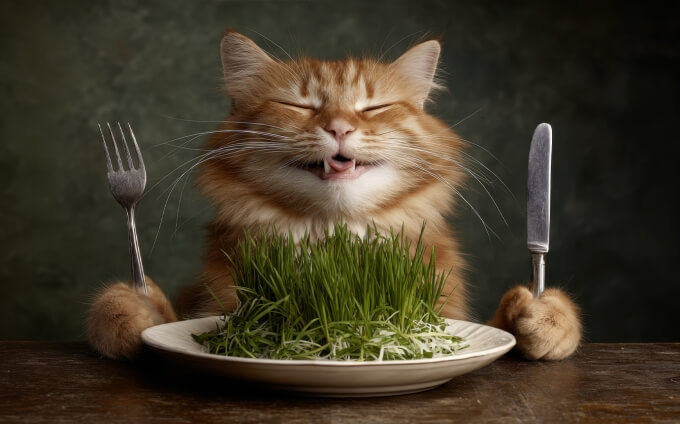
So your carnivore cat - yes, the one with the steak preferences and zero interest in salad - has decided your lawn or that innocent pot plant is the hottest buffet in town. Don't panic. It's actually pretty common, and experts say it's usually just your furry friend being, well, a cat.
What's the deal with this grass obsession?
- It's often harmless, but yes, can look weird.
- Cats don't need grass like herbivores do - sorry, no rabbit vibes happening here.
- Think of it as a quirky behavior, not necessarily a red flag - unless vomiting's constant.
Wild Roots: Instinctual Reasons Behind the Munch
Believe it or not, your tabby's affections for grass might go way back in the evolutionary family tree. Wild ancestors and their canine cousins often ate grass to cleanse their insides - parasites, hair, tiny bones, you name it.
Parasite Purge
In the wild, chewing grass may have helped expel unwelcome guests like intestinal parasites. Domestic cats don't face the same parasite pressure, but the behavior seems to stick around.
Surveillance Says…
A 2025 Live Science overview reported that only a small percentage of cats are sick before eating grass, yet many vomit afterward. That suggests this grass‑eating isn't always about feeling unwell - it might just be instinct in action.
Hairballs, Laxatives, and Vitamin Hopes
If you've ever watched your cat chew grass then bolt to vomit, it's reasonable to think: “Aha - hairball remedy!” Indeed, that's one popular theory, though evidence isn't cut‑and‑dry.
Hairball Expulsion?
Though it's commonly believed that grass helps cats cough up hairballs, a 2021 study found no strong difference in grass‑eating behavior between long‑hair cats (hairball-prone) and short-hair ones.
Laxative Effect
Alternatively, grass might act as a roughage boost - helping move along whatever's stuck (maybe those same hairballs or bits of bone).
Folic Acid & Nutrients?
Grass holds trace nutrients like folic acid that help with oxygen transport in blood. Some vets speculate that nibbling grass could help boost vitamin levels - though if your cat's on a balanced diet, it's probably not a health behavior, more a quirky instinct.
Just Because It Tastes Good (Or Feels Good)
Sometimes, cats do things simply because they like them - and hey, who can blame them? Grass has a fun, fibrous texture, a mild taste, and an element of play or exploration for a curious feline.
As Dr. Lori Teller from Texas A&M says,“If you've got a healthy pet on a well-balanced diet munching grass once in a while… no harm, no foul.”
Curiosity + Texture = Satisfaction
That crunchy, grassy feel under those little teeth? It could just be fun to your cat - like crunchy human snacks, but greener.
When Grass‑Eating Might Want a Vet's Attention
Although grass‑gnawing is normally harmless, there are times when your vet's insight becomes necessary.
- If your cat is barfing grass constantly or frequently having odd stool - worth a vet check.
- If the grass was treated with pesticides/herbicides, it could be toxic. Same goes for poisonous garden plants.
- Some grass bits (or seeds) can get stuck in your cat's nose, ears, or paws - and cause irritation or infection.
Avoiding chemicals and ensuring your pet isn't chowing down on toxic plants is a smart move.
Grow a Safer Grass Buffet: Cat Grass to the Rescue!
If your feline pal loves chewing greenery, consider offering a potted option that's safe and pesticide-free.
What Is Cat Grass?
Cat grass is typically indoor-grown wheat, barley, oatgrass, or ryegrass - just for cats. It gives them the chew-stuff they want without the risk.
Why It Rocks
- No harmful chemicals - safe nibbling guaranteed.
- Less chance they'll demolish your prized houseplants.
- It gives them a playful, safe outlet.
Quick Tips For Growing
- Use seeds labeled for pets - wheat, oat, or barley.
- Grow indoors or outdoors (keep it chemical-free).
- Replace every 2–3 weeks for indoors - or plant perennials outdoors for long-term grazing bonus.
A Quick Checklist: Should You Worry? Nah - but Observe
- Is your cat vomiting grass often or looking unwell? → Vet time.
- Is the grass from treated lawns? → Ditch it, or at least restrict access.
- Do they just graze now and then, seem fine afterward? → Probably nothing to worry about.
- Want to give them a safe alternative? → Grow cat grass indoors. It's the green treat without the "uh-oh."
Frequently Asked Questions about Why Cats Eat Grass
Why do cats eat grass?
Cats often eat grass to aid digestion, induce vomiting, or get extra fiber in their diet.
Is it harmful for cats to eat grass?
Grass itself is usually safe, but it can be dangerous if treated with pesticides or mixed with toxic plants.
Should I let my cat eat grass indoors or outdoors?
Indoor cats can benefit from cat grass, while outdoor cats often find safe grass themselves.
How often do cats eat grass?
Frequency varies, but many cats eat grass occasionally as part of their natural behavior.
Can eating grass help my cat's digestion?
Yes, small amounts of grass can help clear the digestive tract and reduce hairball issues.
The Grass‑Munching Mystery - Wrapping Up
So what's the final take? Cats eating grass is primarily quirky, instinctive, and generally harmless. It may help with digestion, past parasite protection, or just be fun texture play.
The best approach? Let them nibble a bit, give them a safe indoor grass patch if they're into it, and keep an eye out for troubling signs. Otherwise, let the munching continue - after all, it's just another charming thing about our feline overlords.
Stay curious, keep that grass kitty-safe, and may your cat's only problem with grass be picking between your pots.
- 9
Amira
Amira is an energetic cat enthusiast who shares her home with a playful Siamese kitten named Nala. She loves exploring the world of feline training and clicker-based activities, showing that cats can be just as trainable as dogs. Amira documents her journey of teaching Nala fun tricks, from high-fives to running agility tunnels, and she enjoys inspiring others to try interactive play. She is also active in her community, hosting workshops on responsible cat ownership for first-time cat families. For Amira, cats are clever partners that thrive when given stimulation, attention, and love.
-
Tips & Tricks
 How do I stop my cat from scratching furniture?
You'll discover easy, clever ways to protect your furniture from feline claws while keeping both your cat and your living room blissfully scratch‑free.
 SofiaJul 03, 20257
-
Behavior
 Why Is My Cat Meowing So Much? (And What You Can Do About It)
A deep dive into why your cat might be meowing non-stop, from attention‑seeking and hunger to age, stress, or medical issues - plus clever, friendly fixes.
AmiraAug 30, 20253 -
Food & Nutrition
 Can Cats Drink Milk? The Creamy Truth They Don't Tell You
Cats and milk might look cute together, but the reality is far less dairy-friendly. Here's the scoop on whether milk is safe or suitable for your whiskered companion.
SofiaJul 18, 20254 -
Health
 How to Tell if Your Cat Is Sick – Subtle Signs Every Cat Owner Should Know
A casual, informative walkthrough of the sneaky signs cats give when they're unwell, from grooming habits to appetite shifts, plus what steps to take right away.
SofiaAug 19, 20254 -
Behavior
 Why Do Cats Purr? The Secret Buzz Beneath the Whiskers
A relaxed, witty deep dive into why cats purr - exploring the science, the soothing magic, and how those gentle vibrations tell you more than words ever could.
AmiraAug 07, 20254 -
Kittens & Young Cats
 When Can a Kitten Safely Leave Its Mother?
Timing matters when it comes to separating kittens from their mothers. Here's when it's safe, what risks are involved in early separation, and why patience pays off.
SofiaJul 08, 20254